[DOI] [PMC free article] [PubMed] [Google Scholar] 315.Haak B.W., Westendorp W.F., van Engelen T.S.R., Brands X., Brouwer M.C., Vermeij J.D., Hugenholtz F., Verhoeven A., Derks R.J., Giera M., et al
Plant-based milks like almond milk contain less fat and no lactose
The $2,100 Part D out-of-pocket cap does not apply to the Part B pathway
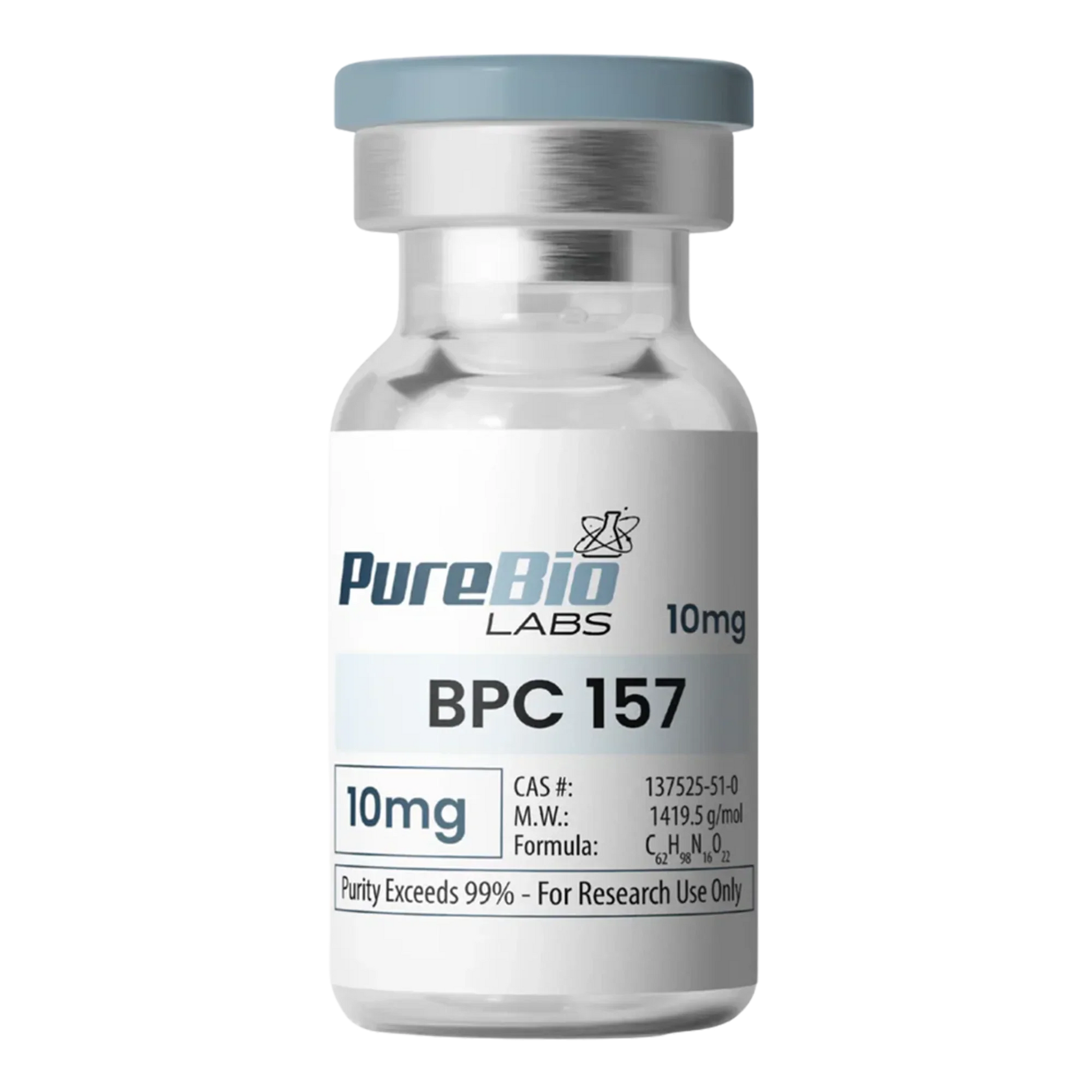
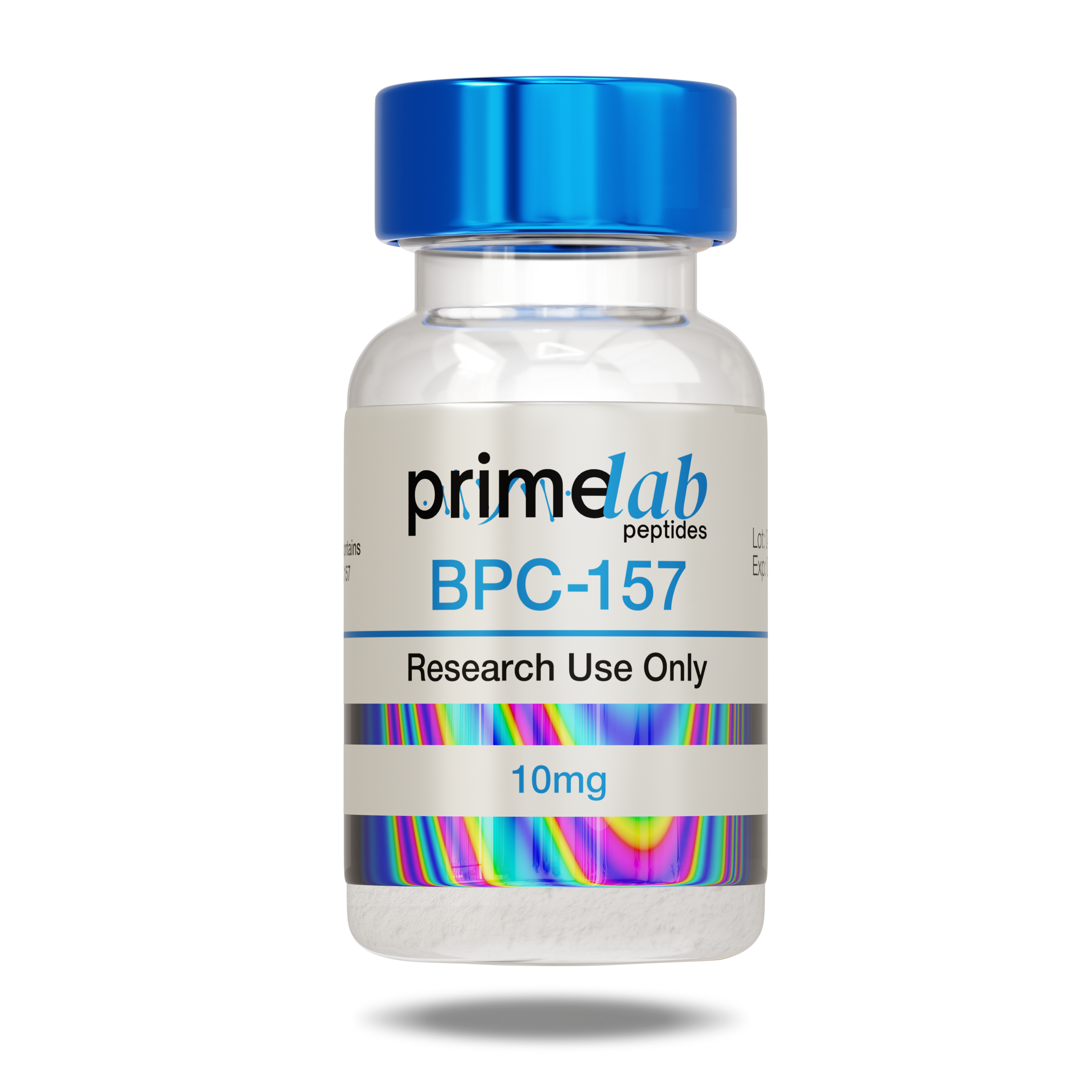
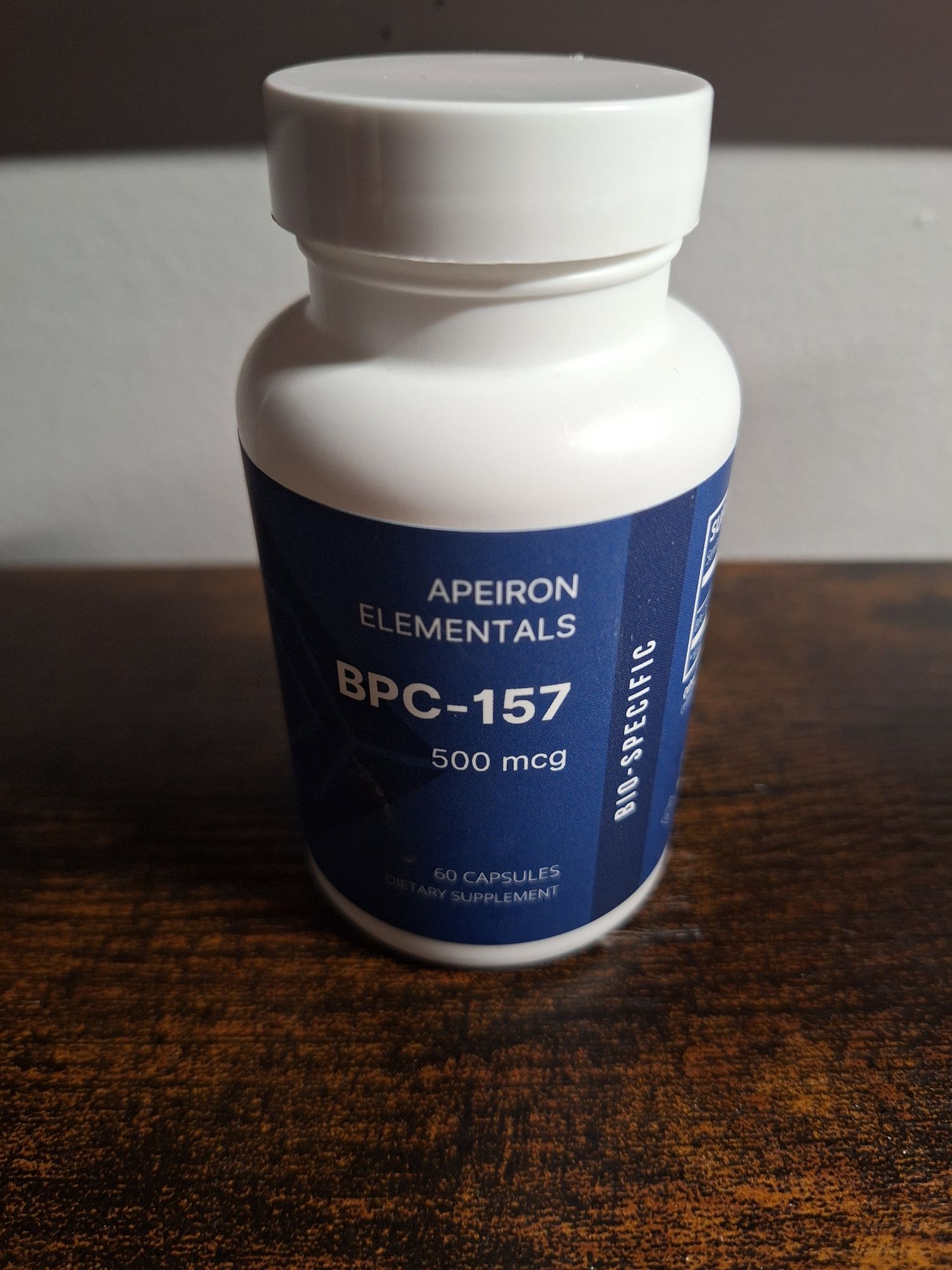
The research on BPC-157 for musculoskeletal healing is substantial by peptide standards
Example Volume 500mg = 2ml Areas of Research Interest Glutathione has been explored in laboratory and experimental research settings related to: Oxidative-stress pathways Cellular detoxificationrelated mechanisms Pigmentation-related research Mitochondrial-function investigations Immune-related signaling pathways Healthy-aging and metabolic research models Experimental Research Contexts Antioxidant & Oxidative-Stress Models Research range: 100150mg Frequency: 23 weekly Pigmentation-Related Research Research range: 250mg Frequency: 23 weekly Mitochondrial & Metabolic Research Research range: 250mg Frequency: 23 weekly Higher-Intensity Oxidative-Stress Research Models Research range: 500mg Frequency: Up to 23 weekly Vial Usage Each vial contains: 1500mg total Glutathione Approximate Vial Duration At 100mg Approximately 15 administrations per vial Approximately: 7 weeks at 2 weekly administration 5 weeks at 3 weekly administration At 150mg Approximately 10 administrations per vial Approximately: 5 weeks at 2 weekly administration 3 weeks at 3 weekly administration At 250mg Approximately 6 administrations per vial Approximately: 3 weeks at 2 weekly administration 2 weeks at 3 weekly administration At 500mg Approximately 3 administrations per vial Approximately: 12 weeks depending on administration frequency Cycle Structures Used In Research Contexts Typical Experimental Cycles 612 weeks research duration 24 week non-research interval Higher-frequency or higher-range experimental protocols are generally investigated over shorter durations