Mark Binkley, our team is committed to delivering personalized care, oering a range of services from hormone therapy and pain management to nutritional counseling
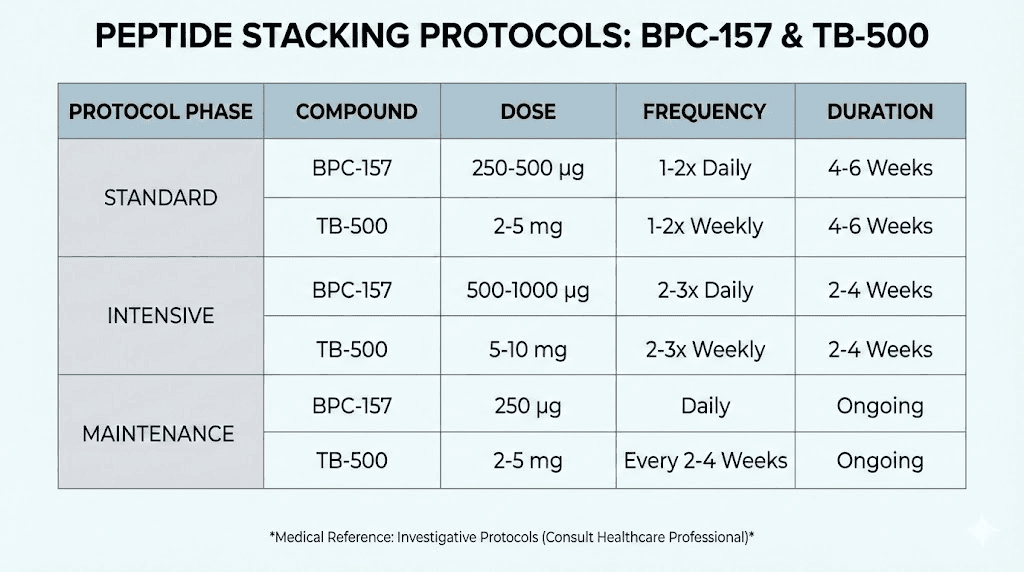
The Wolverine Stack is not chemically standardised Rat and cell findings dominate the BPC-157 record Much thymosin evidence concerns the full 43-residue molecule rather than TB-500 TB-500 may be metabolised into smaller fragments with different activity There is no established optimal blend ratio Co-formulation may alter stability, aggregation or assay recovery Published studies may not identify the salt form clearly Independent replication is limited for many BPC-157 findings The exact commercial batch may differ from research material No robust controlled trial establishes the stack as a treatment Long-term safety of the combination is unknown Anecdotes and testimonials cannot replace verified endpoints How a Wolverine Stack Blend Should Be Tested A finished blend requires component-specific testing rather than one generic purity result

Neuroactive peptides work through mechanisms such as brain-derived neurotrophic factor (BDNF) upregulation, HGF/c-Met signaling, and modulation of monoamine neurotransmitters (Table 4)
Standard clinical dose escalation The FDA-approved Mounjaro (brand tirzepatide) follows this schedule: Weeks 1-4: 2.5 mg once weekly (starting dose, allows GI adaptation) Weeks 5-8: 5 mg once weekly (first therapeutic dose increase) Weeks 9-12: 7.5 mg once weekly (if tolerated and additional effect needed) Weeks 13-16: 10 mg once weekly (continued escalation) Weeks 17-20: 12.5 mg once weekly (approaching maximum) Week 21+: 15 mg once weekly (maximum approved dose) Each dose is maintained for at least four weeks before escalation
Here, peptide therapy has emerged as a viable treatment option for solid tumors, especially breast cancer